November 7, 2026
Securing a residential property begins at the primary threshold, where physical barriers must stand firm against unexpected intrusion attempts. While standard contractor-grade locksets provide basic privacy, they frequently lack the structural resistance necessary to repel determined bypass techniques or sustained physical force. Fortifying an entrance requires a synchronized combination of a heavy-duty entryway and premium locking hardware. Upgrading the locking hardware on a residential steel door serves as one of the most effective defensive improvements a homeowner can implement. Understanding how heavy-duty deadbolts integrate with reinforced metal frames allows property owners to create an exceptionally secure entry perimeter that protects loved ones and valuable property for years to come.
Understanding Residential Entryway Vulnerabilities
Burglary data consistently demonstrates that opportunistic intruders focus their primary attention on exterior entryways, seeking paths of least resistance into residential properties. When an entry assembly lacks adequate reinforcement, forced entry methods such as shoulder slams, heavy kicking, jamb prying, and lock drilling can compromise the entryway within seconds. Standard strike plates fastened with shallow three-quarter-inch screws frequently tear away from soft pine framing when subjected to minimal kinetic energy. Furthermore, low-grade lock cylinders remain highly susceptible to non-destructive manipulation techniques, including lock bumping and sophisticated picking. Replacing inadequate factory hardware on an exterior steel door eliminates these common physical shortcomings. By addressing framing vulnerabilities and cylinder integrity simultaneously, homeowners drastically reduce the likelihood of successful forced entry while strengthening their first line of defense.
Evaluating Common Exterior Door Materials
Choosing the right structural slab is foundational to creating a resilient security barrier at any entrance. According to the Home Improvement Research Institute, the most popular materials for exterior doors include Steel (46%), Fiberglass (34%), and Wood (31%). While natural wood provides traditional architectural charm and fiberglass offers impressive thermal efficiency, metal construction delivers unmatched structural rigidity against sudden physical impacts. A well-constructed steel door resists the blunt force trauma of aggressive kick-in attacks far better than hollow core or standard composite alternatives. Furthermore, modern galvanized skins prevent warping, rot, and environmental deterioration, ensuring that locking bolts remain perfectly aligned inside the strike box across extreme seasonal temperature swings and fluctuating humidity levels.
Exploring Advanced Deadbolt Lock Configurations
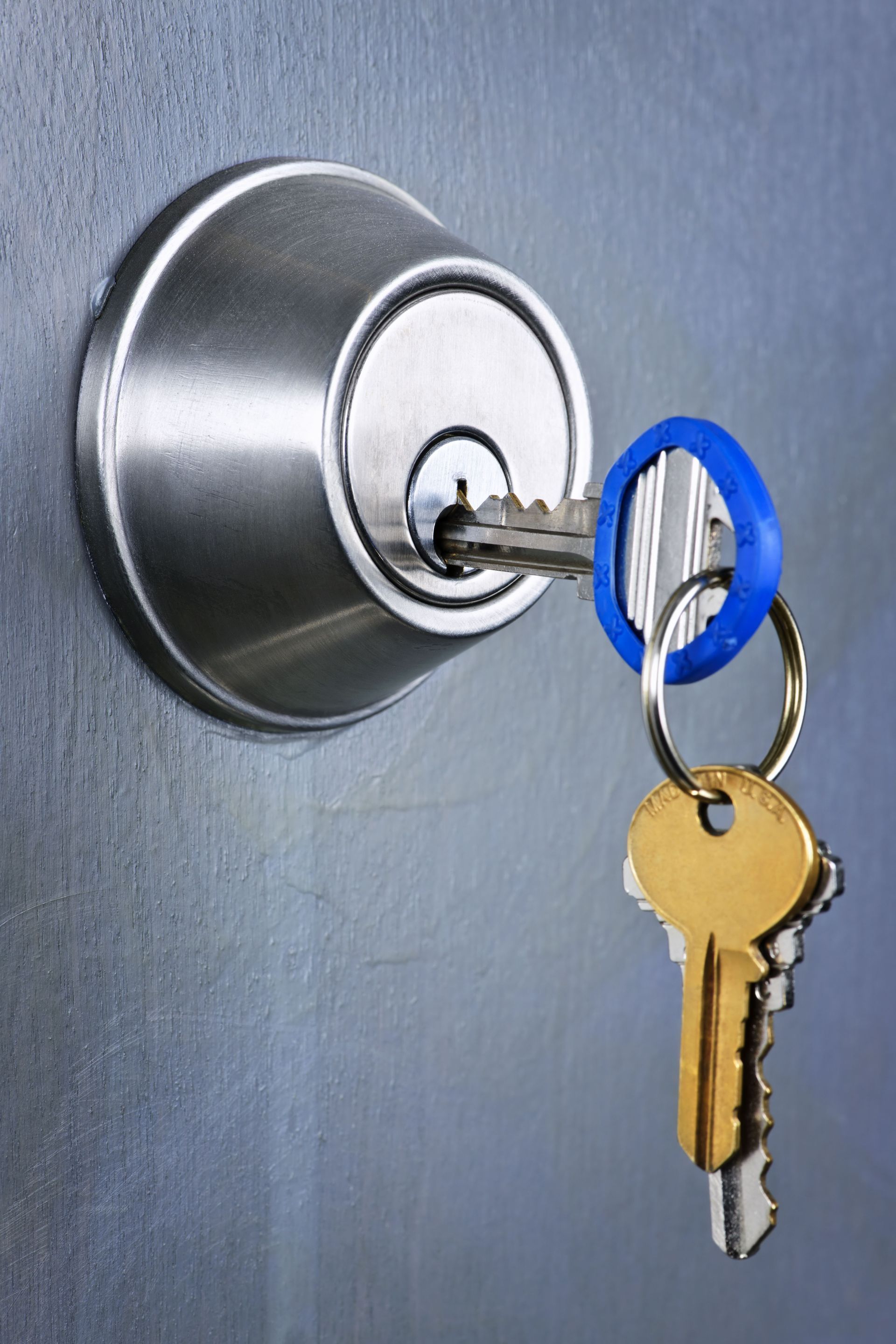
Selecting the optimal locking configuration depends directly on the architectural design of the entryway, surrounding jamb structures, and adjacent windows. Single-cylinder deadbolts represent the most common residential configuration, operating via a keyed cylinder on the exterior and a convenient thumbturn on the inside. These units provide rapid emergency egress during fires or emergencies but present a security vulnerability if installed adjacent to sidelites or decorative glass panels. In architectural layouts where an intruder could shatter nearby glass and reach around to turn the interior latch, a double-cylinder deadbolt offers heightened protection by requiring key operation from both sides. When installed on an exterior steel door, a double-cylinder system establishes a robust physical defense, provided that local building safety codes permit keyed interior egress mechanisms.
Assessing Security Grades and Hardware Ratings
Evaluating physical security hardware requires a comprehensive understanding of independent testing certifications established by the American National Standards Institute (ANSI) in partnership with the Builders Hardware Manufacturers Association (BHMA). Grade 1 deadbolts deliver the highest level of residential and commercial protection, certified to withstand extreme hammer impacts, prolonged saw attacks, and hundreds of thousands of continuous operational cycles. Grade 2 deadbolts provide dependable light commercial protection for secondary entryways, whereas Grade 3 represents basic residential builder-grade minimums. Pairing a certified Grade 1 mechanism with a heavy-gauge steel door creates a formidable barrier equipped with hardened steel anti-drill pins, solid brass cylinders, free-spinning cylinder collars, and heavy steel security housing that deflects violent tampering attempts.
Preparing Necessary Tools for Precise Installation
Working with metal surfaces requires a specialized collection of workshop tools to ensure accurate mortising and clean, splinter-free boreholes. Standard wood-boring paddle bits or lightweight hole saws cannot penetrate heavy-gauge metal skins and will rapidly dull or irreparably damage the outer panel. Preparing for the retrofitting process requires a heavy-duty variable-speed drill, a bi-metal hole saw set, a center punch, metal deburring files, safety eyewear, and a precision tape measure. Accurately measuring the existing backset, typically either 2-3/8 inches or 2-3/4 inches, ensures that the new bolt mechanism aligns seamlessly with the pre-drilled cavity. Proper preparation prevents costly drilling mistakes, preserves the structural integrity of the entrance, and guarantees a tight, rattle-free mechanical fit.
Mounting Deadbolt Mechanisms on Entry Assemblies
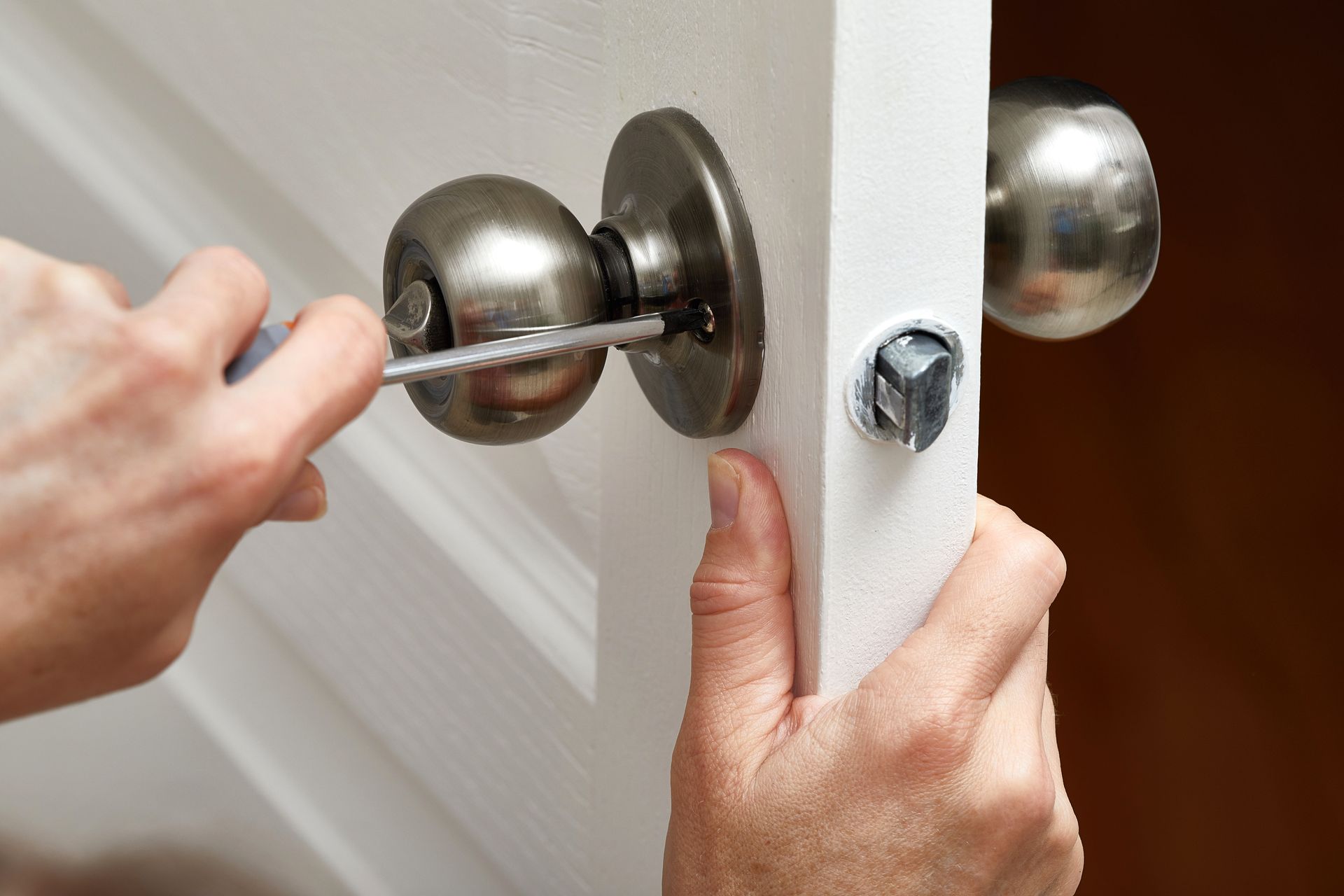
Precision mounting ensures the smooth mechanical operation of high-security locking hardware across daily use. Begin by inserting the bolt latch into the edge hole of the steel door, verifying that the beveled latch faces the proper closing direction. Secure the heavy faceplate with reinforced machine screws, ensuring it sits completely flush with the edge bevel to prevent friction against the opposing jamb. Next, carefully route the exterior cylinder tailpiece through the central timing hub and mate it to the heavy interior mounting plate. Thread the hardened connecting bolts through the assembly, tightening them evenly with hand tools to avoid binding the cylinder pins. Finally, attach the interior thumbturn and verify that the bolt extends fully into the jamb strike box without mechanical resistance.
Implementing Routine Maintenance and Care Protocols
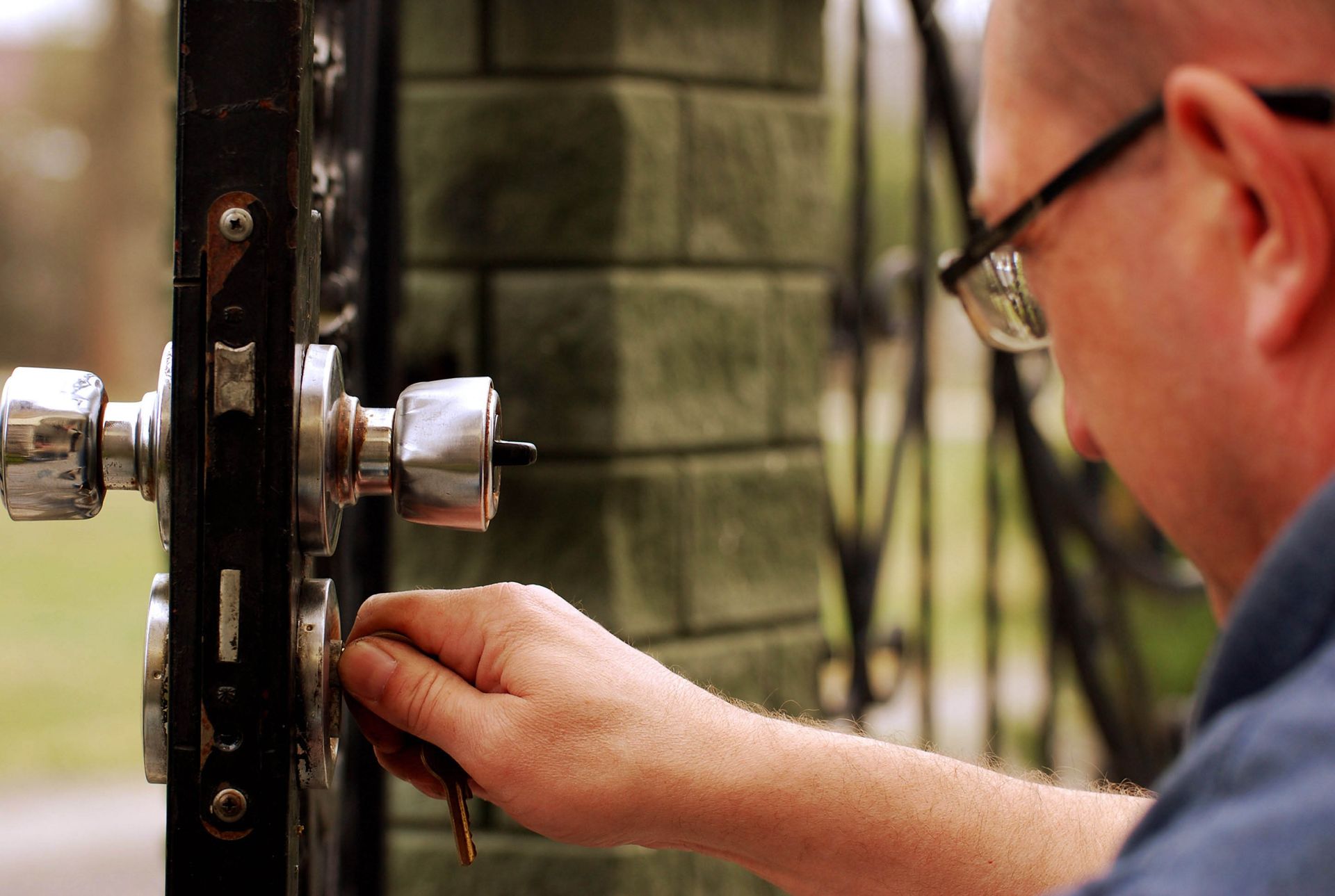
Even the most robust mechanical hardware requires periodic upkeep to maintain its protective capabilities and fluid movement over time. Atmospheric dust, airborne debris, seasonal moisture, and road salt can infiltrate the cylinder keyway, accelerating friction and microscopic wear on internal top pins and springs. Homeowners should clean the lock exterior with mild soapy water and apply a dedicated dry graphite lubricant or high-performance PTFE-based spray directly into the keyway every six months. Never use standard oil-based penetrating fluids, as sticky petroleum residues attract airborne grit that causes delicate internal pins to seize. Regularly inspecting the mounting screws on the steel door prevents hardware looseness that could otherwise cause misalignment and premature mechanical failure.
Managing Modern Digital and Smart Lock Features
Modern residential security advancements allow homeowners to pair heavy-duty physical deadbolts with digital access convenience. Keyless electronic deadbolts featuring backlit illuminated keypads eliminate physical keys entirely, allowing owners to assign unique, trackable access codes to family members, dog walkers, and temporary contractors. Advanced smart deadbolts integrate Wi-Fi or Z-Wave wireless connectivity, providing real-time door activity logs, remote locking capabilities, and automatic geofencing features through mobile smartphone applications. When mounting an electronic lock onto a modern steel door, verify that the internal motorized actuator operates freely without rubbing against the frame strike plate. Minimizing mechanical drag preserves battery life, prevents motor burnout, and ensures dependable remote locking operation year-round.
Balancing Long-Term Protection Against Initial Costs
Investing in certified security deadbolts involves balancing upfront equipment expenditures against the invaluable peace of mind that comes with perimeter protection. While Grade 1 locking systems, hardened strike reinforcement kits, and precision-engineered smart locks carry higher price points than economy hardware, their hardened components resist destructive attacks that cause cheaper locks to fail. Beyond actively preventing traumatic property theft and catastrophic structural damage, installing premium hardware provides lasting confidence for the entire household day and night. Carefully selecting durable, weather-resistant locking components minimizes recurring maintenance expenses, avoids premature replacement cycles, and enhances overall residential property value. For expert hardware assessment, precision master keying, or flawless deadbolt installation, trust the skilled professionals at SNZ Locksmith Inc to fortify your home with dependable security solutions.