June 12, 2026
Securing a home has become increasingly important as property risks continue to evolve. This guide provides an overview of modern home security measures and how they can help protect residential and commercial properties. Understanding potential risks and how different security components work together is an important part of improving safety. From traditional locks to modern security system components, protection strategies continue to develop. By the end of this section, there is a clearer understanding of how to strengthen protection across a property.
Risky Factors of Home Security
Assess External Threats
External threats to home security can come from burglary, vandalism, and environmental risks. Evaluating these threats often depends on location, property type, and surrounding conditions, which can vary significantly from one area to another. Homes in densely populated areas may experience different exposure levels compared to rural properties, requiring different security considerations.
Understanding general patterns of property-related incidents can help homeowners identify areas where additional protection may be useful. Visibility from the street, entry point exposure, and property layout all contribute to potential vulnerability. Taking preventative steps early can help reduce unnecessary risk and improve overall preparedness.
Natural conditions can also impact preparedness for home security. Weather-related events may affect structural integrity and entry points, making it important to ensure that doors, locks, and access systems remain properly maintained and reinforced where necessary.
Evaluate Neighborhood Crime Statistics
Understanding local crime trends can help homeowners make more informed decisions about home security. Many municipalities provide publicly available data that highlights patterns in property-related incidents. This information can be useful when determining whether additional security measures should be considered.
Awareness of neighborhood activity can also influence decisions about lighting, entry reinforcement, and overall property protection. Community awareness and communication can further support safer residential environments.
According to The Zebra, 34% of the burglaries that happen each year affect small businesses. This statistic highlights how property-related crime extends beyond residential settings and can impact a wide range of locations. Understanding this broader context can help inform stronger overall security planning.
Identify Internal Vulnerabilities
Internal vulnerabilities often play a major role in home security. These may include outdated locks, weakened door frames, or unsecured windows that create easier access points. Identifying these areas through a careful walkthrough of the property can help highlight where improvements are needed.
Routine habits also affect security practices within the home. Ensuring doors are properly locked and keys are stored securely helps reduce unnecessary exposure to risk. Consistent attention to entry points strengthens overall protection over time.
Security considerations should also include installed electronic systems, ensuring they remain in proper working condition. Regular maintenance of locks, alarms, and access components helps support long-term dependable system performance.
Maintain Security System Reliability and Maintenance Considerations
Security systems that include alarms or electronic access components require proper installation and ongoing maintenance to function effectively. Ensuring that all system elements are correctly configured helps maintain consistent performance across different entry points.
Combining mechanical security measures such as reinforced locks with electronic systems can improve overall protection. Entry points remain a primary focus of most home security strategies, making proper upkeep essential for continued effectiveness.
Understand Personal and Property Specific Security Needs
Every property has unique security requirements based on layout, occupancy, and daily use patterns. Properties with multiple occupants or varying schedules may require different levels of access control and entry management to remain effective.
Tailoring security solutions to the specific needs of a household helps ensure that protection measures remain practical and functional. Regular reassessment of these needs supports stronger long-term planning for home security.
Strategic Selection of Security Systems
Use Types of Alarm Systems
Alarm systems play an important role in residential and commercial protection by providing alerts when unauthorized access is detected. These systems can be configured to monitor doors, windows, and other key entry points throughout a property.
Different alarm configurations can be used depending on the size and layout of a property. Some systems focus on basic entry detection, while others incorporate multiple sensors for broader coverage. Selecting the appropriate setup depends on the level of protection required.
Monitor Entry Monitoring and Security System Integration
Security systems can be designed to monitor access points and alert property owners when unusual activity is detected. These systems are typically focused on doors and primary entry areas where unauthorized access is most likely to occur.
Proper integration of system components ensures that alerts and responses function consistently. Strategic placement of sensors and control units helps improve coverage across key access points throughout a property.
Control Security System Controls and Access Management
Security systems may include centralized control features that allow property owners to manage access points more efficiently. These systems are designed to help regulate entry into residential or commercial properties with greater organization.
Access management tools can be configured to support multiple users while maintaining control over sensitive or restricted areas. This approach is especially useful for businesses or multi-unit properties that require structured access control.
Install and Professional Setup
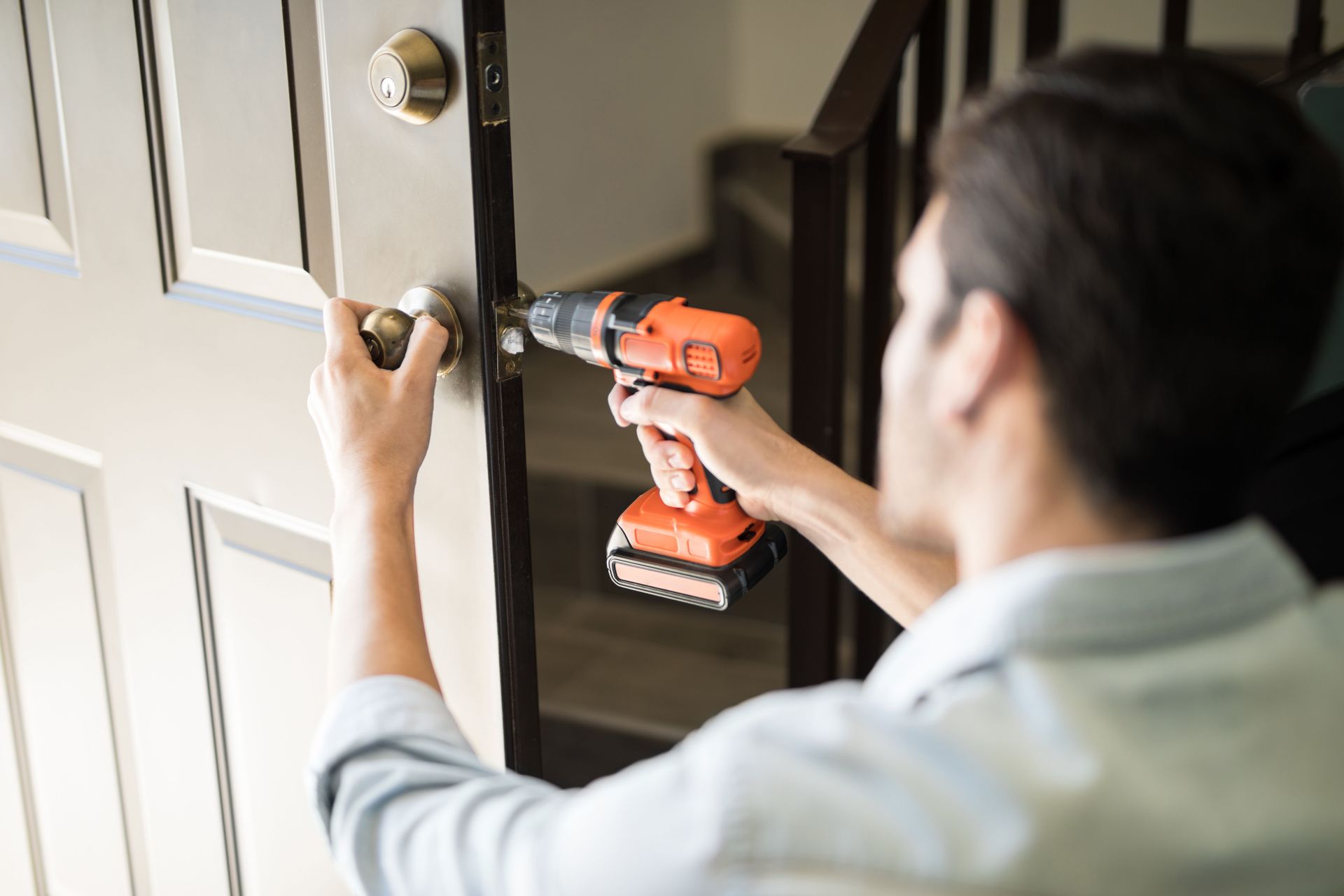
Choosing between self-installation and professional setup depends on system complexity and the level of customization required. Professional installation ensures that components are correctly placed and configured for dependable operation.
Proper installation is important for ensuring that locks, alarms, and access systems function as intended. Complex systems involving multiple entry points benefit from a precise setup to reduce installation errors and improve performance.
Support Alarm System Support and Response Features
Alarm systems are designed to provide immediate notification when potential security issues are detected. These alerts help property owners respond quickly to activity at key entry points and improve awareness of potential risks.
When combined with properly installed locks and reinforced doors, alarm systems contribute to a layered approach to protection. This combination helps strengthen overall property security by addressing multiple points of vulnerability.
Secure Securing of Entry Points
Reinforce Doors and Windows
Doors and windows are primary access points and should be properly reinforced to help prevent forced entry. Solid-core doors and durable locking mechanisms improve resistance against physical pressure and forced attempts.
Deadbolts and reinforced strike plates can significantly strengthen door security. Windows can also be improved through secure locking hardware and reinforced materials that reduce vulnerability.
Physical reinforcement and proper installation techniques help reduce weaknesses and improve overall protection for a property. These measures work together to create stronger entry barriers.
Utilize Smart Locks and Deadbolts
Modern lock systems, including smart locks and advanced deadbolts, provide improved control over property access. These systems allow for keyless entry options and more flexible management of entry points.
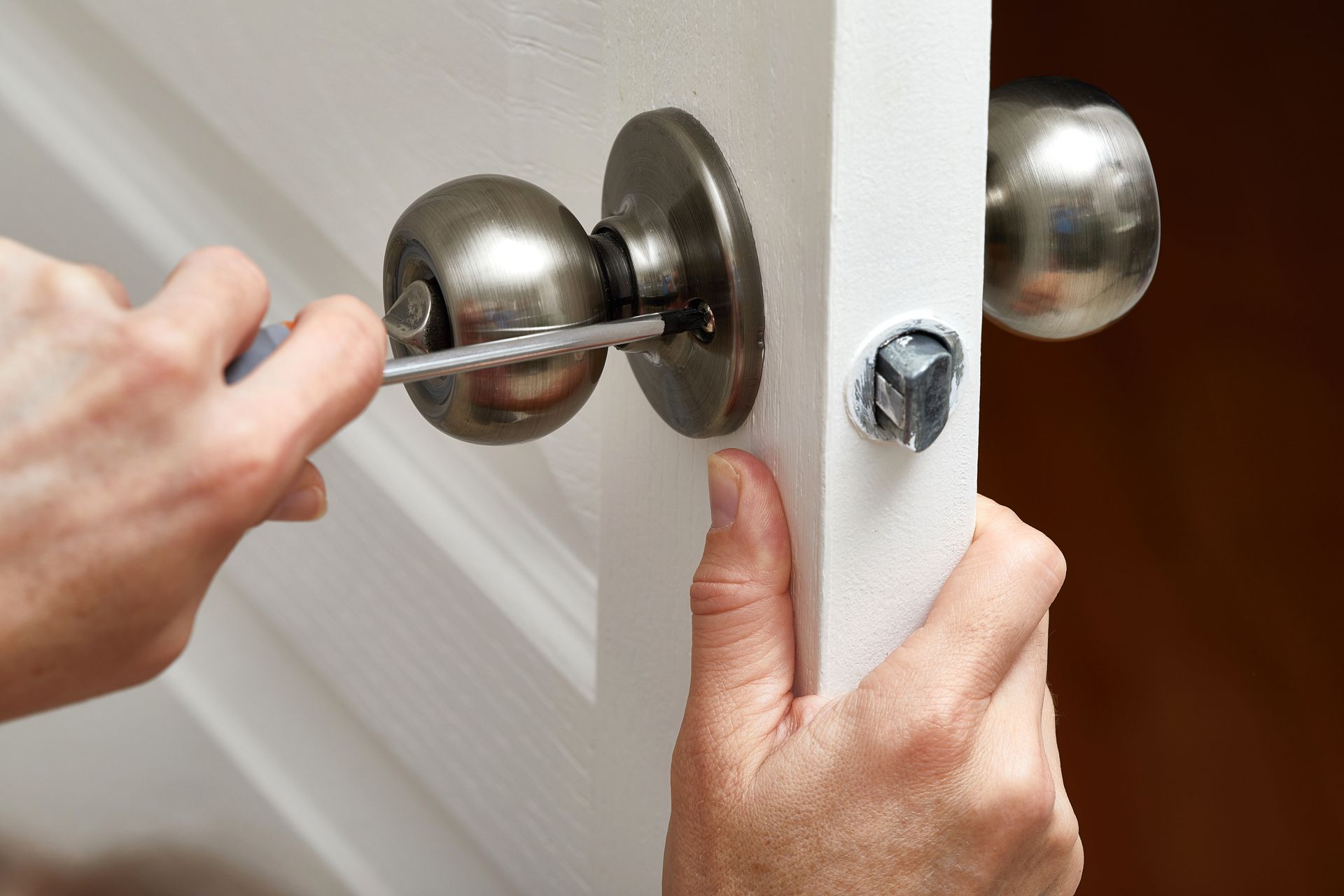
Proper installation and maintenance of these systems are essential to ensure dependable performance over time. Mechanical backup options are also important in case electronic components require servicing or replacement.
Combining traditional locking mechanisms with updated hardware helps create a balanced and effective security setup. This approach supports both convenience and physical protection.
Home security relies on well-secured entry points, properly functioning locks, and thoughtfully configured security measures that work together to protect a property. Each home or business benefits from an approach that reflects its layout, daily use, and specific access needs. Paying attention to doors, entry systems, and overall hardware condition helps create a more dependable layer of protection.
For help with lock installation, repairs, emergency lockouts, and related security solutions, learn more with SNZ Locksmith & Inc for residential, commercial, and automotive locksmith services.